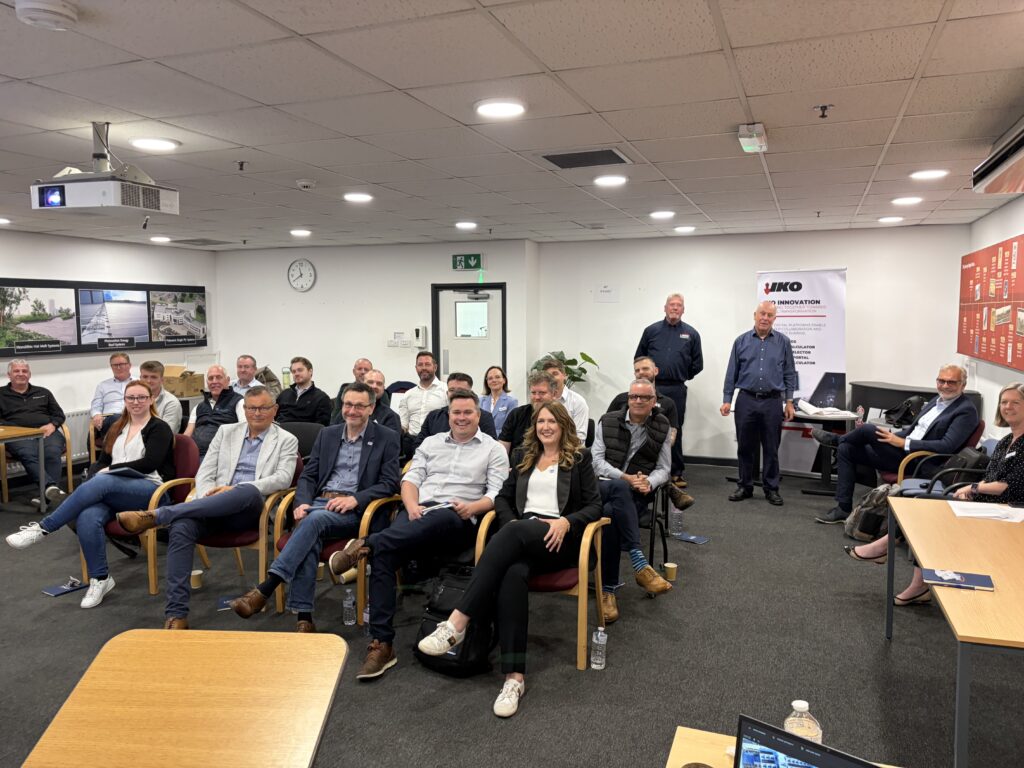
Earlier this year, in her opening address at the 2026 Liquid Roofing and Waterproofing Association (LRWA) Awards, Sarah Spink, CEO of the LRWA, outlined how the Association is evolving in response to the profound changes reshaping the construction industry.
Central to this evolution are three guiding principles: competence, compliance and confidence. Together, they are shaping the LRWA’s priorities, helping members strengthen their businesses while giving clients greater assurance that projects are being delivered safely, professionally and in line with the latest legislation.
The emphasis on competence follows the far-reaching reforms introduced in the wake of the Grenfell Tower tragedy in 2017, which exposed fundamental shortcomings in construction practices, oversight and workforce capability across the built environment.
Those findings were reflected in Dame Judith Hackitt’s landmark report, Building a Safer Future: Independent Review of Building Regulations and Fire Safety, which called for a fundamental shift away from a highly prescriptive regulatory system towards an outcomes based approach. Rather than relying solely on detailed rules and guidance, the new framework places greater responsibility on individuals and organisations to understand their duties, exercise professional judgement and demonstrate that they are capable of delivering safe buildings.
The resulting Building Safety Act 2022 (BSA) has made competence a legal requirement across the construction sector, placing equal emphasis on the capabilities of individuals and the organisations that employ them.
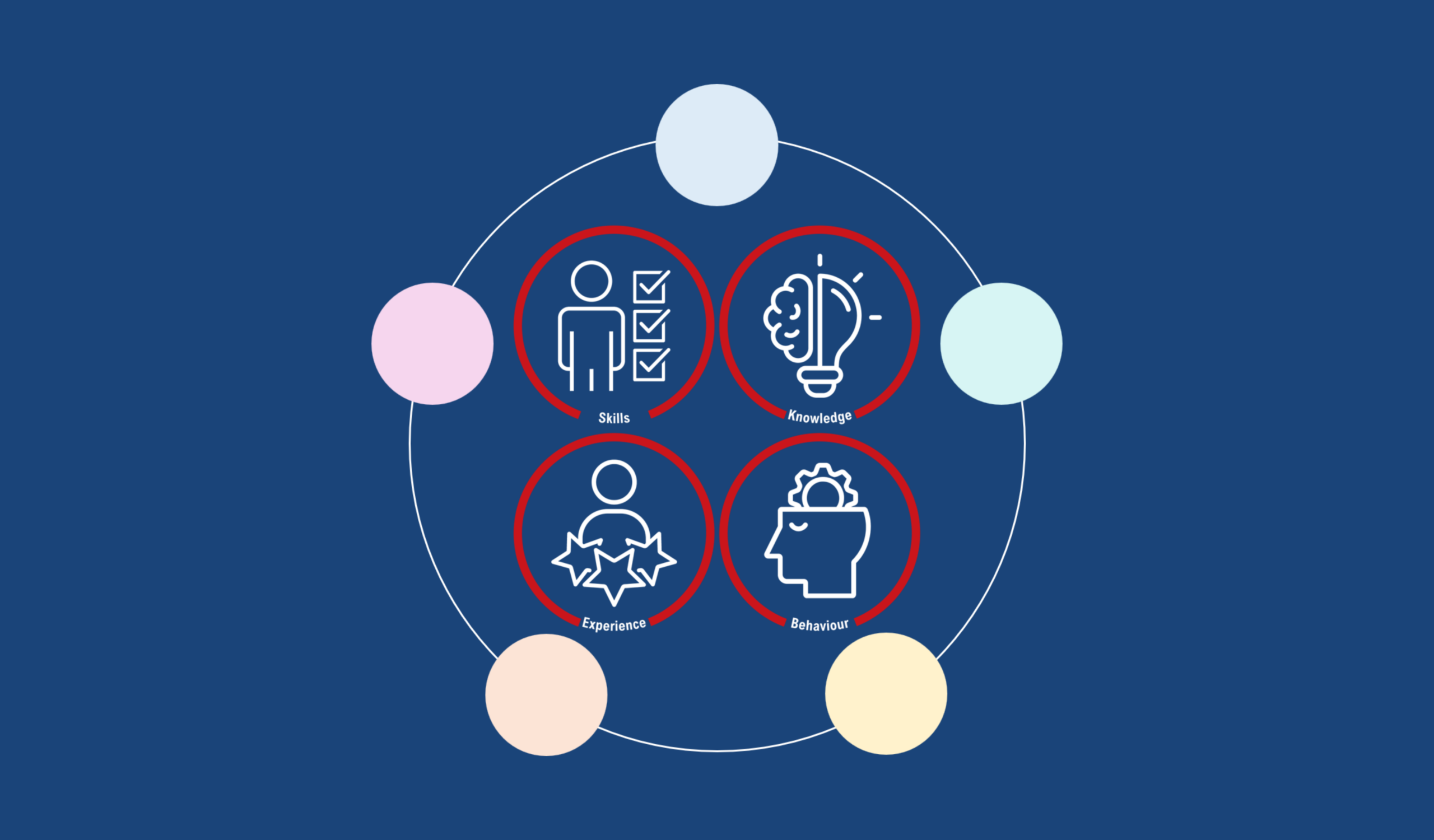
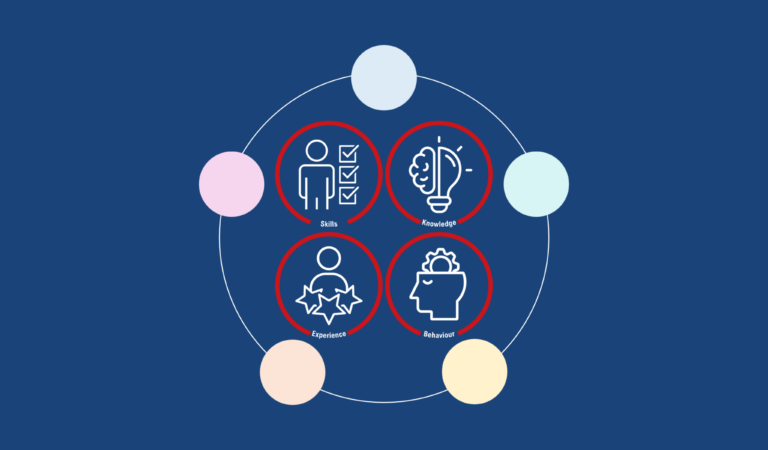
Under the legislation, anyone undertaking building or design work must demonstrate the appropriate skills, knowledge, experience and behaviours (SKEB) needed to carry out their role safely and effectively.
At the organisational level, companies must show they have the management systems, policies, procedures and resources needed to ensure compliance with building regulations. This includes appropriate supervision for those still developing their competence and processes that support safe, compliant working practices.
Investing in Building a Competence Framework
In response, the LRWA is investing in a multi-year programme with specialist consultants to develop a sector-wide Liquid Roofing and Waterproofing Competence Framework. The aim is to establish clear competence pathways across five core functions, helping individuals demonstrate the skills, knowledge, experience and behaviours (SKEB) required under the BSA, while understanding their dutyholder responsibilities and the limits of their competence.
The five core functions are product management, design and specification, sales and distribution, installation and repair, and inspection and maintenance.
Prioritising Competence in Design and Specification
Over the past 18 months, industry specialists and representatives from LRWA member companies have been developing a design and specification competence framework for liquid-applied membrane systems, including roofing, terraces, podiums, metal roof coatings, balconies and walkways.
Design and specification was identified as the priority area because of the introduction of the dutyholder role of ‘Designer’, and the fact that manufacturers are being asked by those acting as ‘Principal Designer’ to complete Designer Risk Assessments (DRAs) to evaluate and record the competence of those involved in design activities. These requests are increasingly being directed not only at manufacturers’ technical departments but also at roofing contractors.
Unlike other parts of the construction industry, manufacturers typically supply complete systems, tested together, rather than individual products. Consequently, specifiers often rely on manufacturers’ technical teams to produce detailed design specifications for roofing systems which they then adopt. In many cases, this places the manufacturer in the dutyholder role of Designer under the BSA. The same principle applies to roofing contractors: if a contractor issues a specification, they automatically become a Designer under the BSA are responsible for the associated legal duties, even without a formal contract. If a roofing contractor relies on a manufacturer to provide the specification, the contractor may still be considered a Principal Designer or Designer.
Whether seeking advice from a new technical adviser or an experienced technical director, clients need confidence that the guidance and specifications they receive are accurate, consistent and reliable. The framework is designed to ensure technical professionals can demonstrate their competence while recognising the limits of their expertise and when additional support or specialist input is needed.
Understanding the Detail Behind the Framework
The scale and complexity of this work should not be underestimated.
Consider a common scenario in which a member of a technical team receives a request for an outline proposal for a roof, terrace or podium. The framework must define precisely what level of competence (e.g. intermediate, experienced or advanced) is required to undertake that task safely and appropriately.
For example, within the SKEB statements for DS001: Create Outline Proposal – Liquid Membranes for Roofing, Terraces (BS 8579:2020) or Podiums, one of the required skills is that you must be able to review outline information to support a proposal, noting and recording any potential gaps. Understand the limits of your role when creating an outline proposal. Understand how to interpret the information given.
Developing these capabilities requires more than technical training. Individuals must also learn how to avoid inadvertently assuming design responsibility by moving beyond the scope of the information they are qualified to provide.
This level of detail represents a significant step forward for the sector. Many of these competencies have not previously been formally analysed, defined or documented. The framework also takes account of the competence required to operate in a wide range of sectors and operational environments, from schools and prisons to highly regulated facilities such as nuclear sites.
Technical sales and specification professionals will be expected to compile portfolios demonstrating evidence of competence at their respective levels. These portfolios will support progression through the framework as careers develop and will require regular review and reassessment every three years.
The process is demanding, but as the body developing the framework, and the professionals operating within it, the LRWA and its members will be able to give clients and principal contractors greater assurance on competence and compliance.
Ultimately, this reinforces the third of LRWA’s guiding principles: confidence. Demonstrable competence supports regulatory compliance, which in turn gives clients confidence that projects are being delivered in accordance with the expectations of the BSA.
Developing Qualifications to Demonstrate Skills and Knowledge
Once the Liquid Roofing and Waterproofing Competence Framework has been completed, the next stage will be to develop education and qualification pathways that enable individuals to demonstrate their skills and knowledge.
While many larger roofing manufacturers contribute to skills development through the apprenticeship levy, there is currently no higher-level apprenticeship or dedicated qualification specifically for technical specification professionals working in roofing. Establishing a recognised pathway for these roles is a long-term ambition for the LRWA following completion of the competence framework.
The LRWA believes the Chartered Institute of Building (CIOB) is well placed to support the development and delivery of qualifications and courses for technical professionals working in roofing. As the professional home for many roofing specialists, the CIOB offers a natural route to professional recognition for those working in technical and specification roles.
Sarah, who serves on the CIOB Roofing Advisory Panel, hopes to help drive this work forward. The CIOB Academy has already established the Roofing Chartered Membership Programme (CMP), providing a pathway to MCIOB status for roofing professionals.
“It’s an internationally recognised designation,” says Sarah. “You could work anywhere in the world and people would understand and respect it. Specifiers recognise it in the same way they recognise RIBA or RICS. Why wouldn’t we want that for roofing?”
Whatever form future qualifications take, collaboration across the roofing industry will be essential to reflect the breadth and diversity of the sector. For now, the priority remains completing the competence framework. Once that foundation is in place, the industry will be well positioned to develop education, qualifications and career pathways that support a more competent, confident and professional workforce.