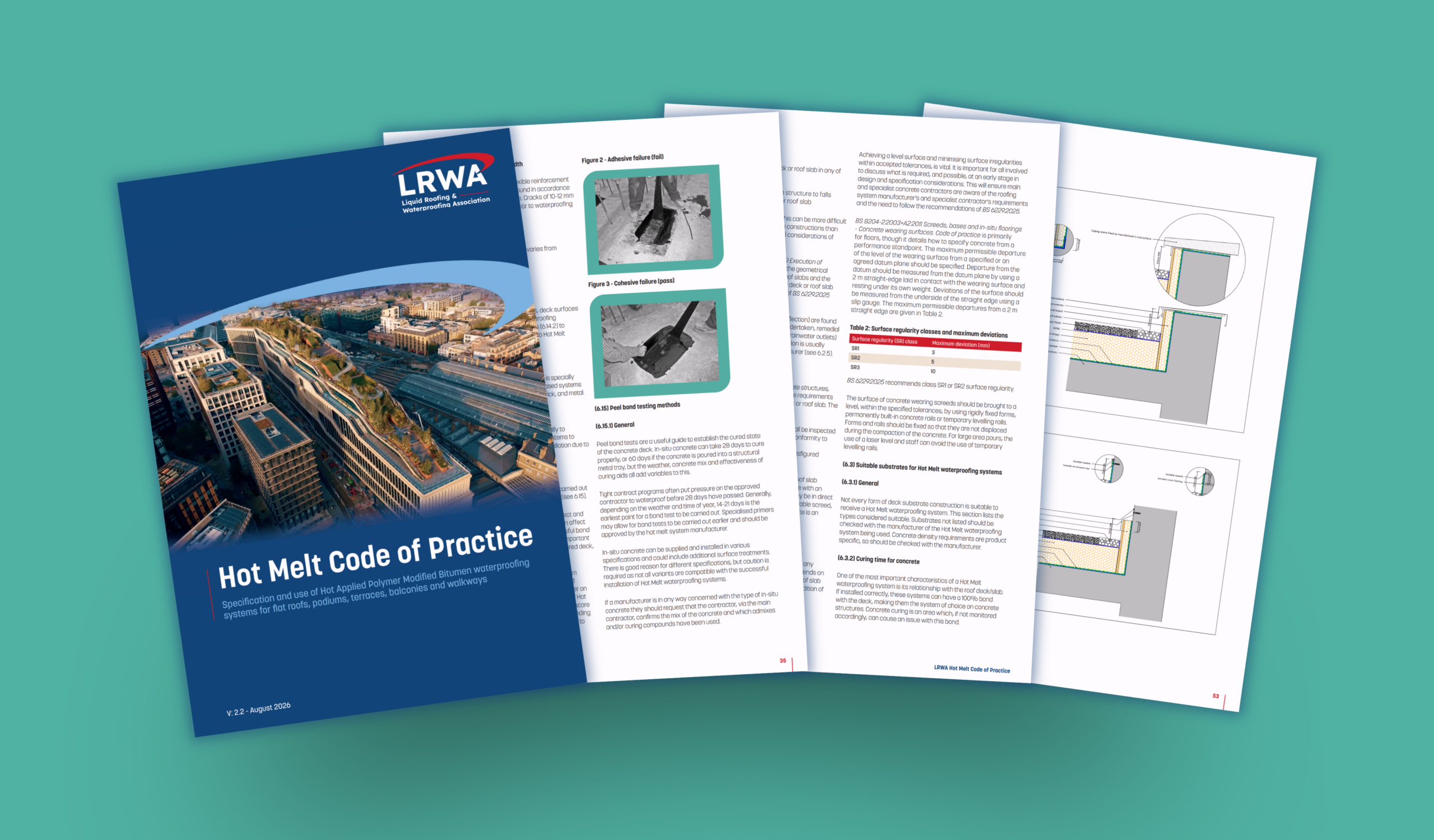
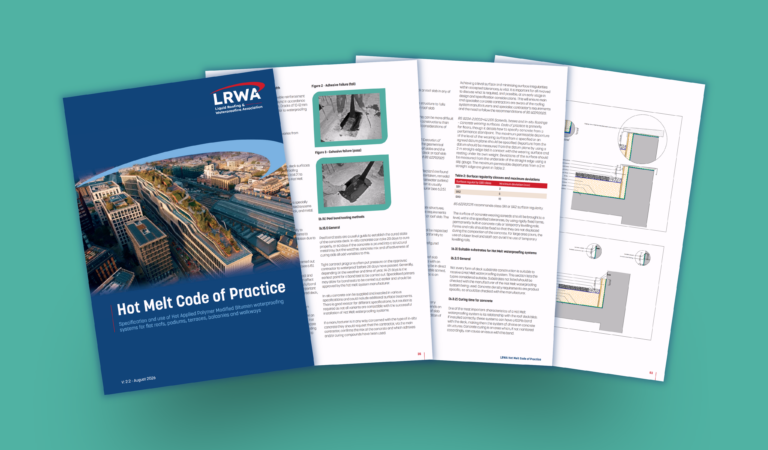
The Liquid Roofing and Waterproofing Association (LRWA) has published version 2.2 of its Hot Melt Code of Practice, dated August 2026. The update reflects the recently published BS 6229:2025 Flat roofs with continuously supported flexible waterproof coverings – Code of practice, and replaces version 2.1 of the document, published in April 2025.
- Reflecting the Updated British Standard
Hot Melt systems have an established track record of more than 40 years in the UK market. They are recognised for their exceptional waterproofing performance, robustness, long-term durability and suitability for a wide range of roof constructions, from zero falls and inverted warm roofs through to biodiverse and blue roof systems. BS 6229:2025 was published in December 2025 and became effective on 31 December 2025. Accordingly, the Hot Melt Code of Practice has been reviewed to ensure that it continues to provide the sector with a definitive and authoritative reference for the selection, specification, design, installation and maintenance of Hot Melt waterproofing systems.
- What's Changed in this Edition?
- Guidance updated throughout to align with BS 6229:2025
- Reinforced emphasis on achieving correct falls at design and construction stage
- Updated guidance on zero falls and absolute zero falls, inverted warm roofs and blue roofs
- Electronic Integrity Testing confirmed as the recognised method for on-site verification, in place of traditional flood testing
- Expanded detail on substrate preparation, including curing times, peel bond testing and treatment of curing compounds
- Structure and Content of the Code of Practice
The document sets out definitions and terminology for flat roof types and system components, alongside design and installation considerations covering building regulations, certification and durability. It provides guidance on health and safety provision, including obligations under CDM 2015 and COSHH, and addresses substrate suitability and preparation in detail, from structural concrete decks and finishes through to falls, curing times, moisture checks and peel bond testing. Further sections cover preparation and application, including melter requirements and detailing at junctions and penetrations, quality control on site from specification through to completion, maintenance schedules and repair guidance, and training routes and qualifications for operatives.
- Emphasis on Falls and Drainage
Particular attention has been given throughout to achieving correct falls at deck level. Standing water resulting from inadequate falls or drainage can impose structural loads the roof was not designed for, place strain on materials and components, and reduce the thermal performance of the roof. The updated Code of Practice reinforces this guidance in line with the requirements of BS 6229:2025.
- Developed by the Hot Melt Industry and Free to the Sector
The technical content has been contributed by professionals from across the industry, including manufacturers, contractors and specifiers, drawing on their collective experience of live projects. This contribution was made without financial compensation, and on that basis the LRWA makes the Code of Practice freely available to any interested party.
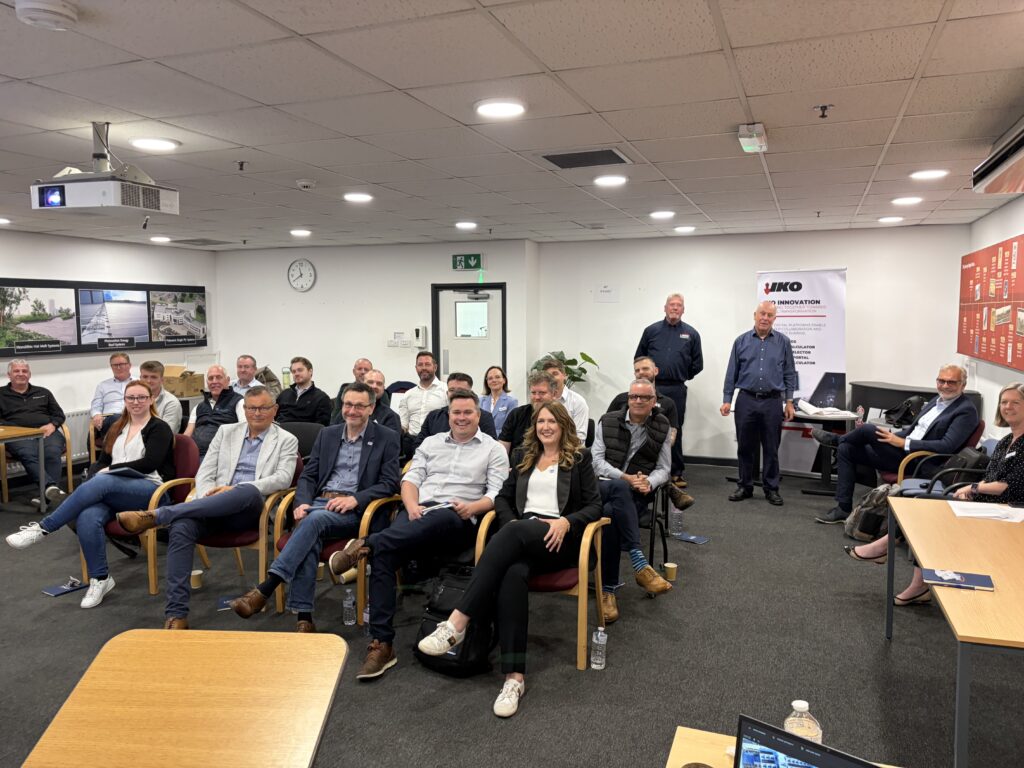
The LRWA Technical Advisory Group to the Hot Melt Code of Practice includes:
Mike Bradbury added:
“This update ensures the LRWA Hot Melt Code of Practice reflects the requirements of BS 6229:2025 and continues to give the industry a definitive, authoritative reference for Hot Melt waterproofing systems. Falls and drainage remain critical to the long-term performance of a roof, and this edition reinforces that guidance throughout.“

Mike Bradbury
LRWA Technical Guidance Manager
- Continued Reference for the Sector
The Code of Practice is intended as a continued point of reference throughout a project. Members are encouraged to consult it during project planning, when addressing issues identified on site, and when confirming compliance with recognised best practice. It should be read alongside companion documents, available to download from the Technical Downloads section on our website:
- LRWA Design Guide for Specifiers
- LRWA Car Park Code of Practice
- LRWA Hot Melt Code of Practice
Version 2.2: August 2026